Service for Lake Placid is coordinated statewide. This page helps sellers prepare accurate material and logistics information; it does not claim a local office or yard.
Material context for Lake Placid
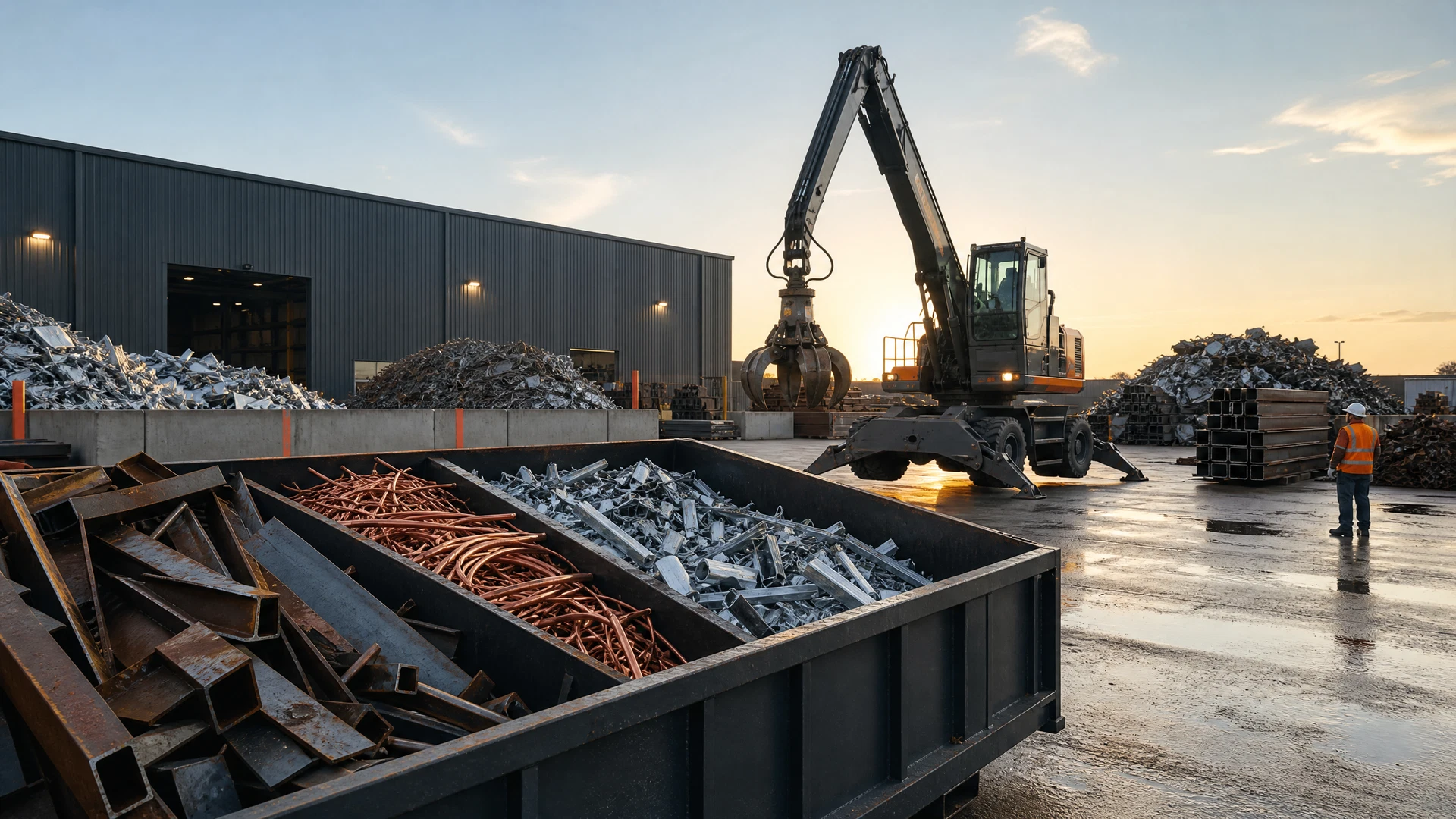
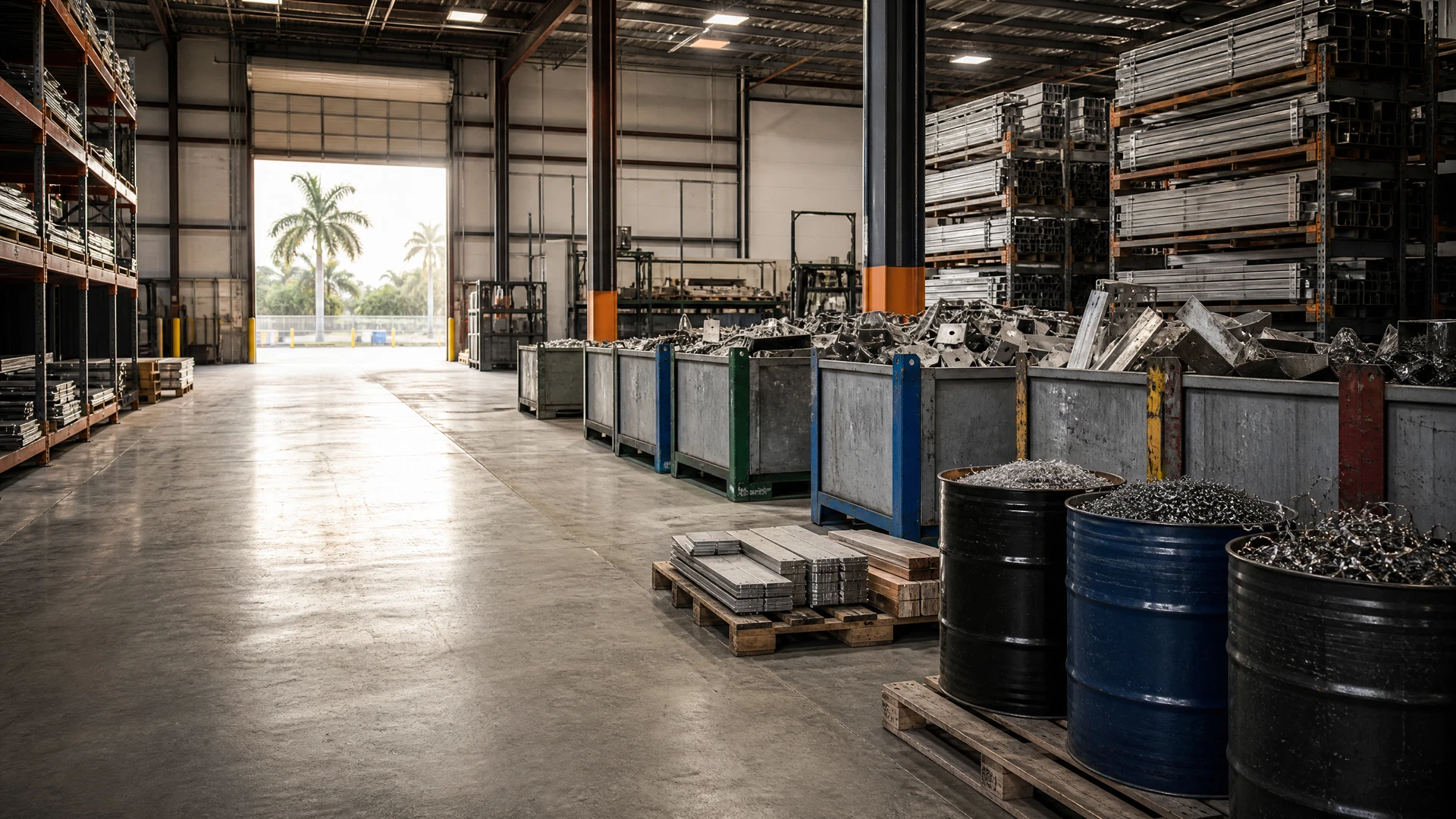
Requests from Lake Placid often need to distinguish a one-time container program from a predictable production or maintenance stream. The planning guidance is especially relevant for machine shops, fabricators, and light manufacturers handling project surplus, obsolete equipment, reusable containers, and sorted nonferrous metal.
The dataset maps this locality to Highlands County and ZIP areas 33852, 33862. These geographic references help describe the pickup area; they do not identify a facility.
Prepare the material before requesting review
For this locality profile, a practical first step is to avoid unsafe burning or handling and keep prohibited or live items out of scrap loads. Keep known grades separate where safe, avoid mixing trash or prohibited items into scrap, and show representative pieces rather than only the outside of a container.
Describe loading and access
Include security check-in, traffic control, staging boundaries, and who is responsible for loading. Heavy or bulky material also needs dimensions, approximate piece weights, and a clear statement about who can load. If a roll-off container may be appropriate, explain the proposed placement area and expected fill rate.
Documentation questions to prepare
- Who owns the material, and can the seller document lawful release when requested?
- Are alloy, scale, maintenance, purchase, or asset-disposition records available?
- Are there fluids, sealed vessels, live ammunition, hazardous residues, or regulated components that require separate handling?
- Can the site provide a single contact for access, safety, and loading coordination?