1. Identify and separate
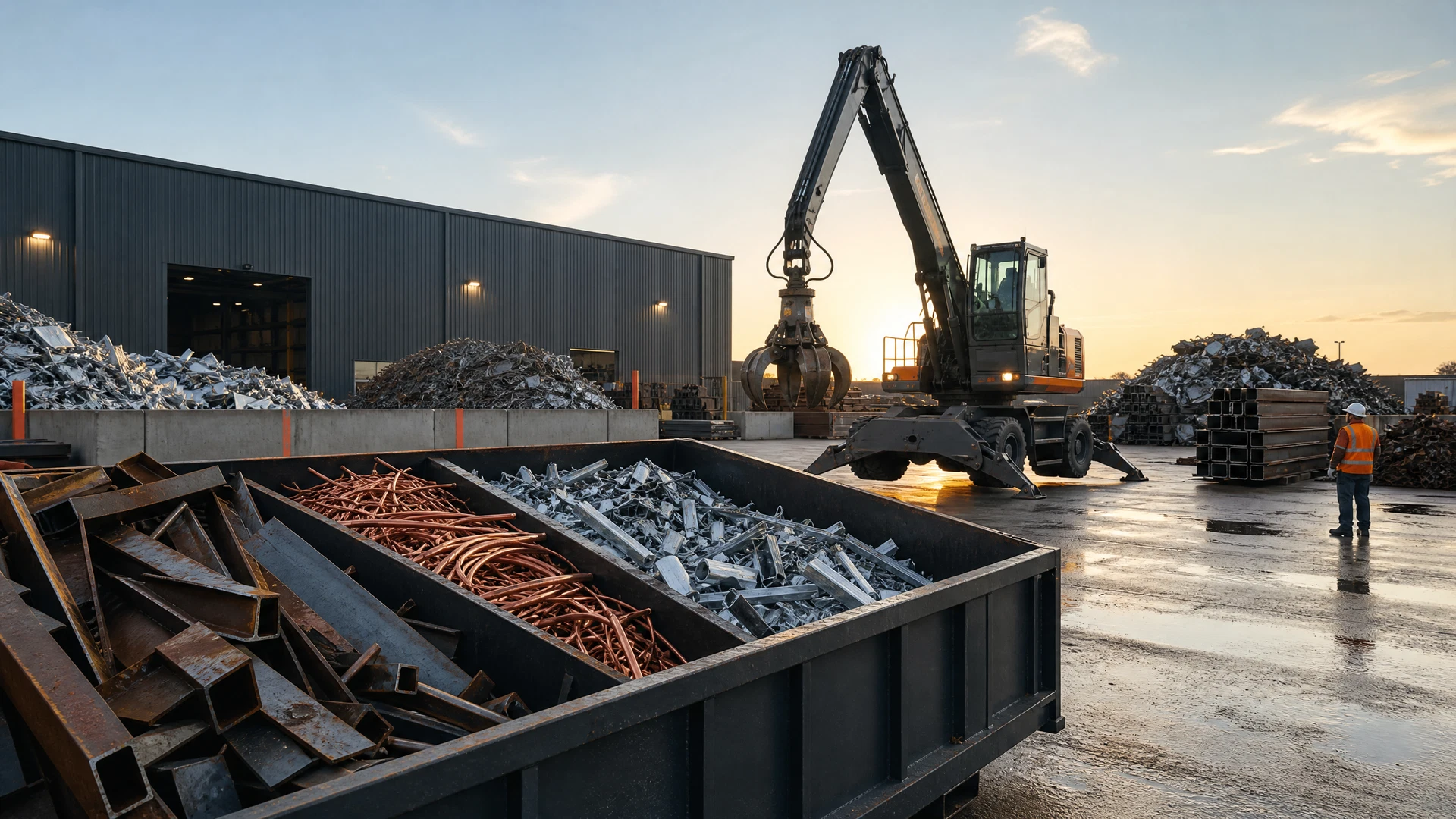
List each material stream, known grade, source equipment, contamination, attachments, and any handling concern. Do not use unsafe burning, chemical stripping, or uncontrolled dismantling to improve appearance.
2. Estimate and photograph
Use scale tickets, piece dimensions, container volume, pallet or drum count, production records, or a conservative estimate. Photograph labels, cut ends, mixed attachments, overall staging, and truck access.
3. Submit site logistics
Include pickup city, site type, access hours, gate procedures, surface and overhead conditions, loading responsibility, available equipment, requested timing, and whether the stream is recurring.
4. Review before relying on service
A quote request begins a review. Confirm material acceptance, commercial terms, pickup feasibility, container details, schedule, loading, and site rules before committing project resources.
5. Prepare the day of removal
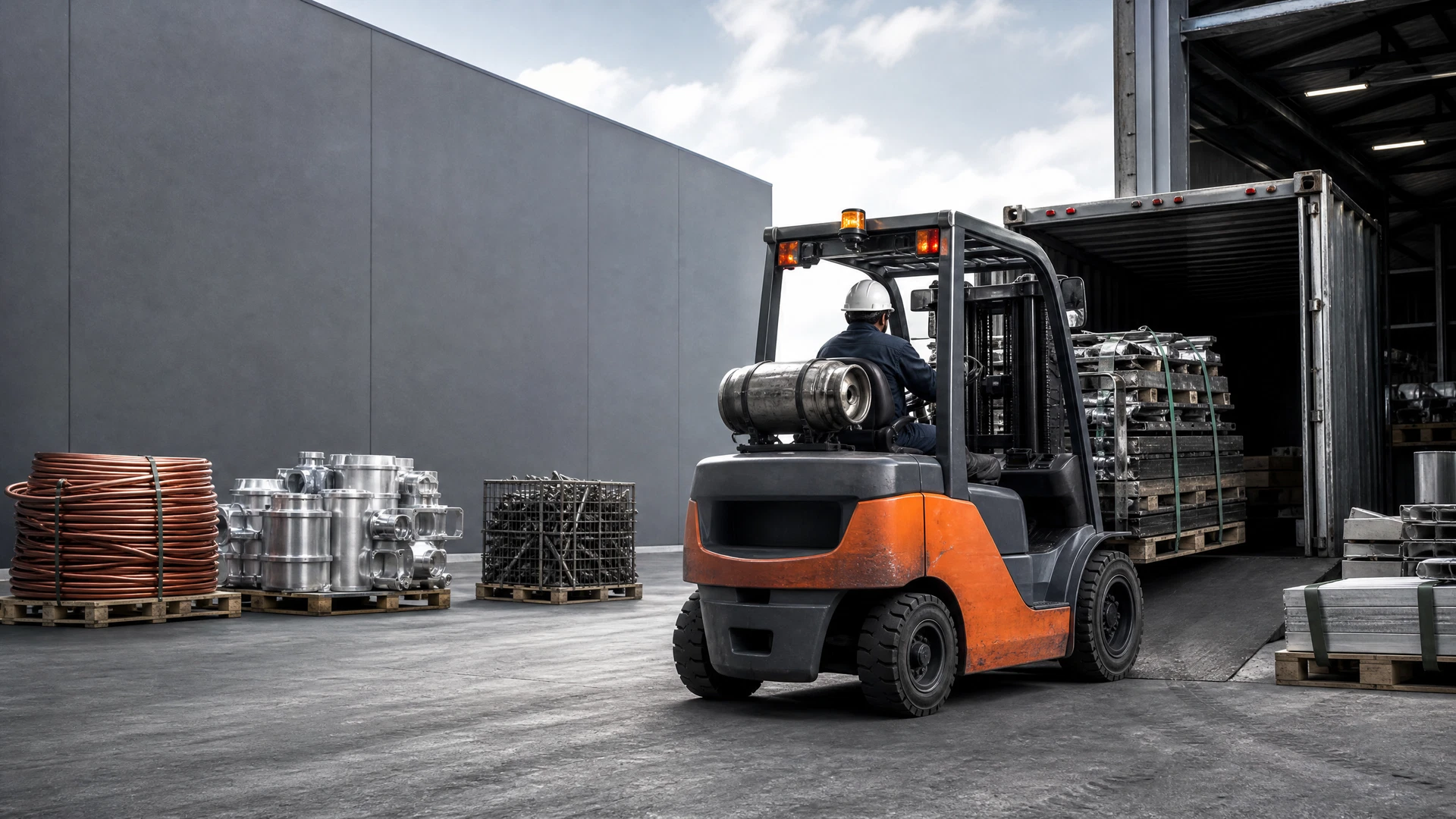
Keep the load as described, maintain safe access, assign a site contact, protect employees and visitors, and have agreed documentation available.